For more than twenty years, a mission has accompanied young people and Indigenous communities in Ecuador, transforming encounter into service, vocation, and shared hope.
There are places where mission is not measured by what is accomplished, but by what is learned. Communities marked by poverty, isolation, and deep wounds become, paradoxically, schools of humanity and faith for those who arrive there. It is there that many young people discover that serving does not mean “doing something for someone,” but allowing themselves to be reached by life as it is, without filters.
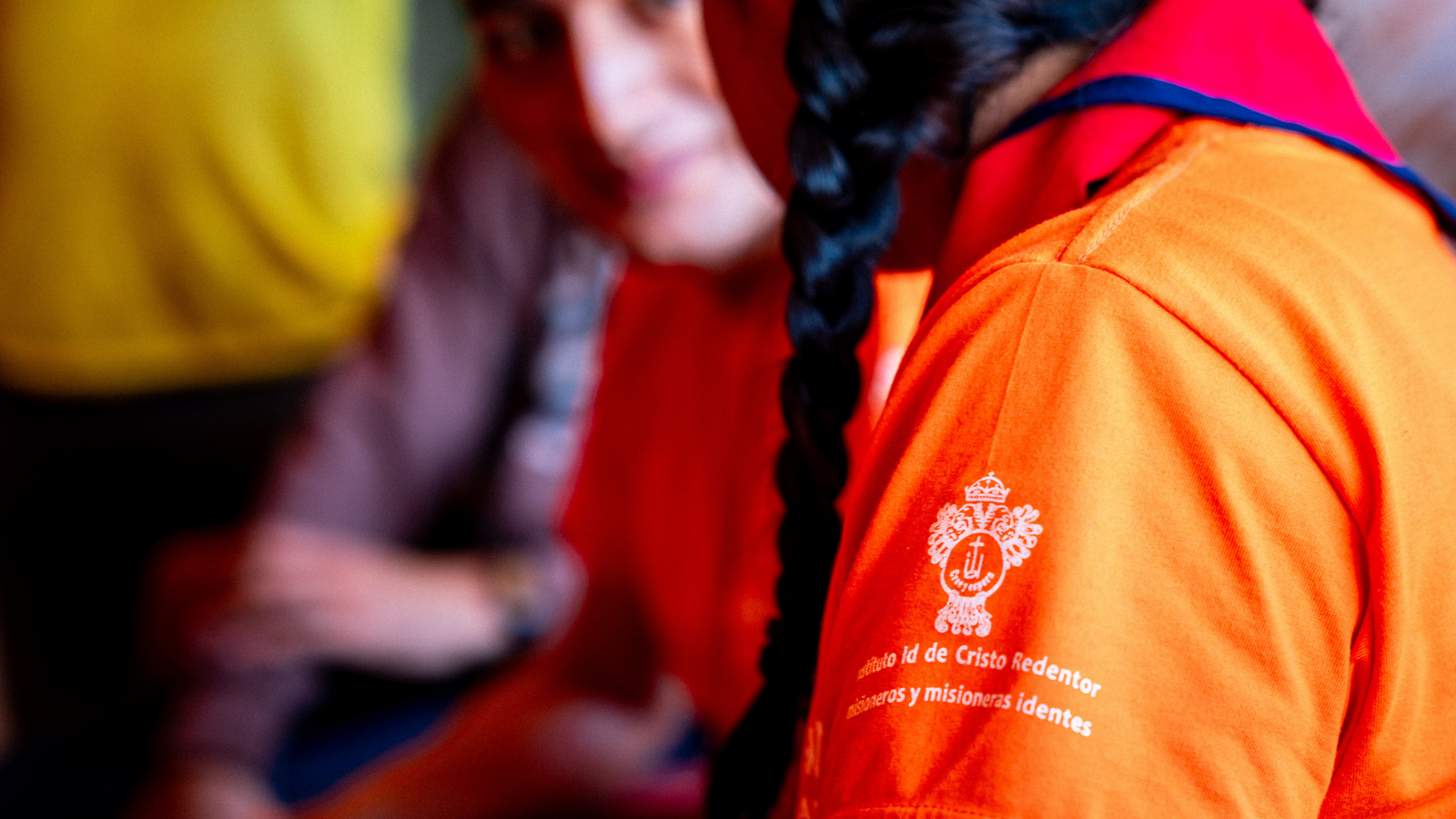
From this experience was born the Idente Mission in Ecuador: a journey that for over two decades has accompanied university students and families in Andean and Amazonian villages, placing listening, presence, and encounter at the centre. A mission that does not claim to change communities, but rather accepts being transformed by them, giving rise to bonds, questions of meaning, and, at times, genuine vocations.
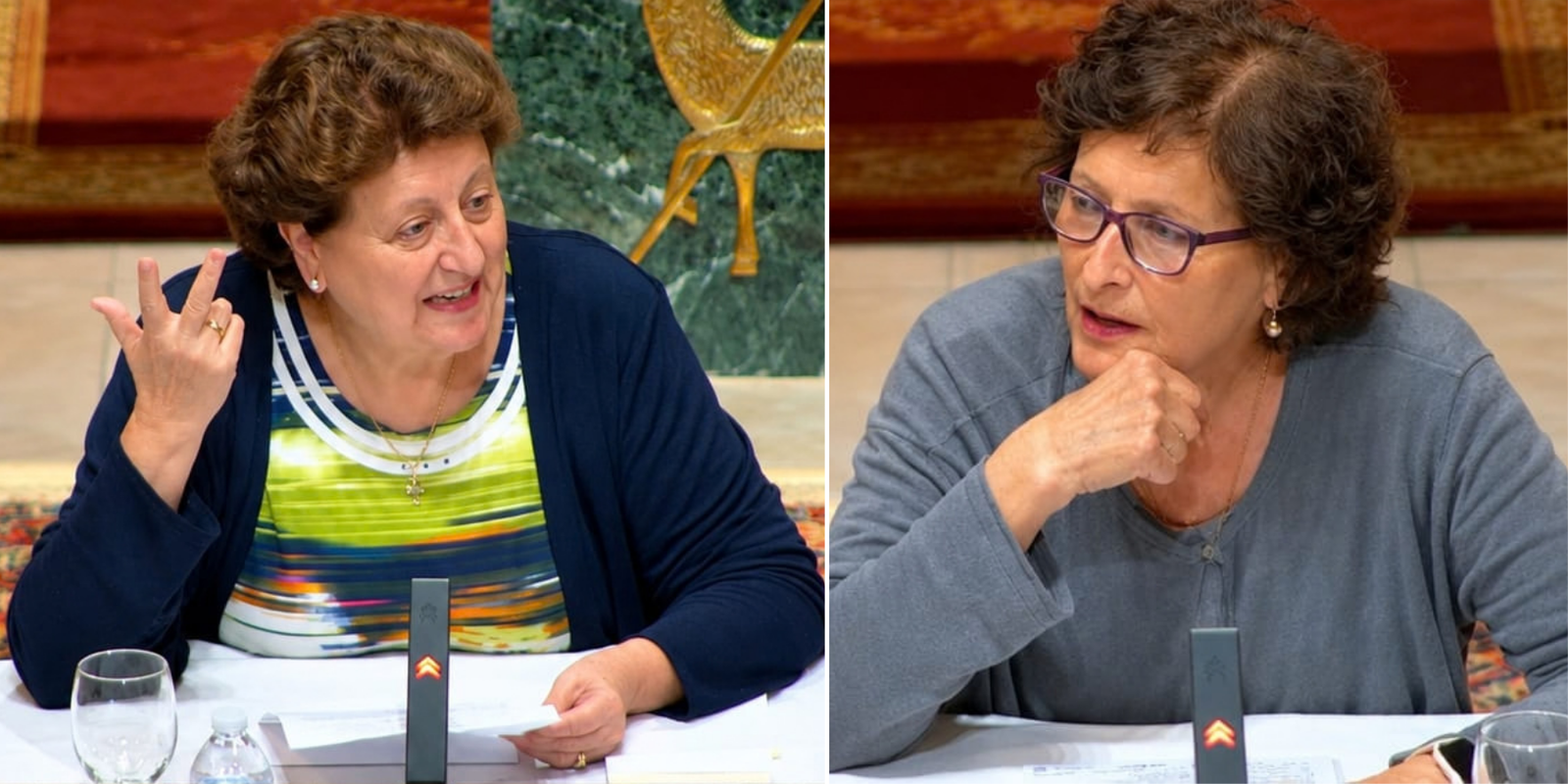
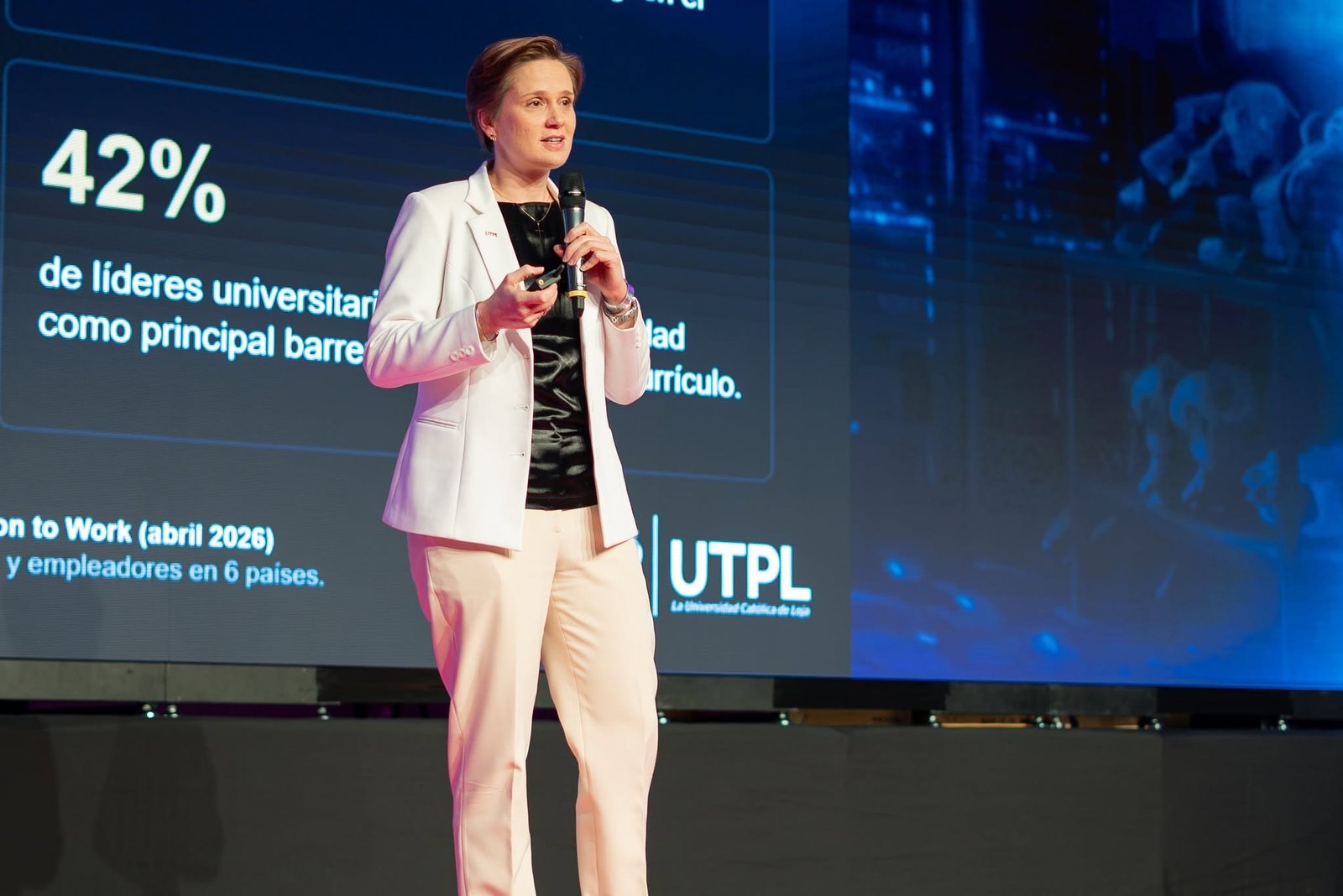
“We are not the ones who change the communities; it is they who change us.” This is how Mónica, an Idente missionary and director of university missions at the Universidad Técnica Particular de Loja, describes the Idente Mission in Ecuador. A work that “brings hope, but above all offers young people the opportunity to step outside the classroom and encounter life in Indigenous villages, where the simple faith of the communities becomes both school and proclamation,” as Luis Mario, Karla, and Luis Daniel recount.
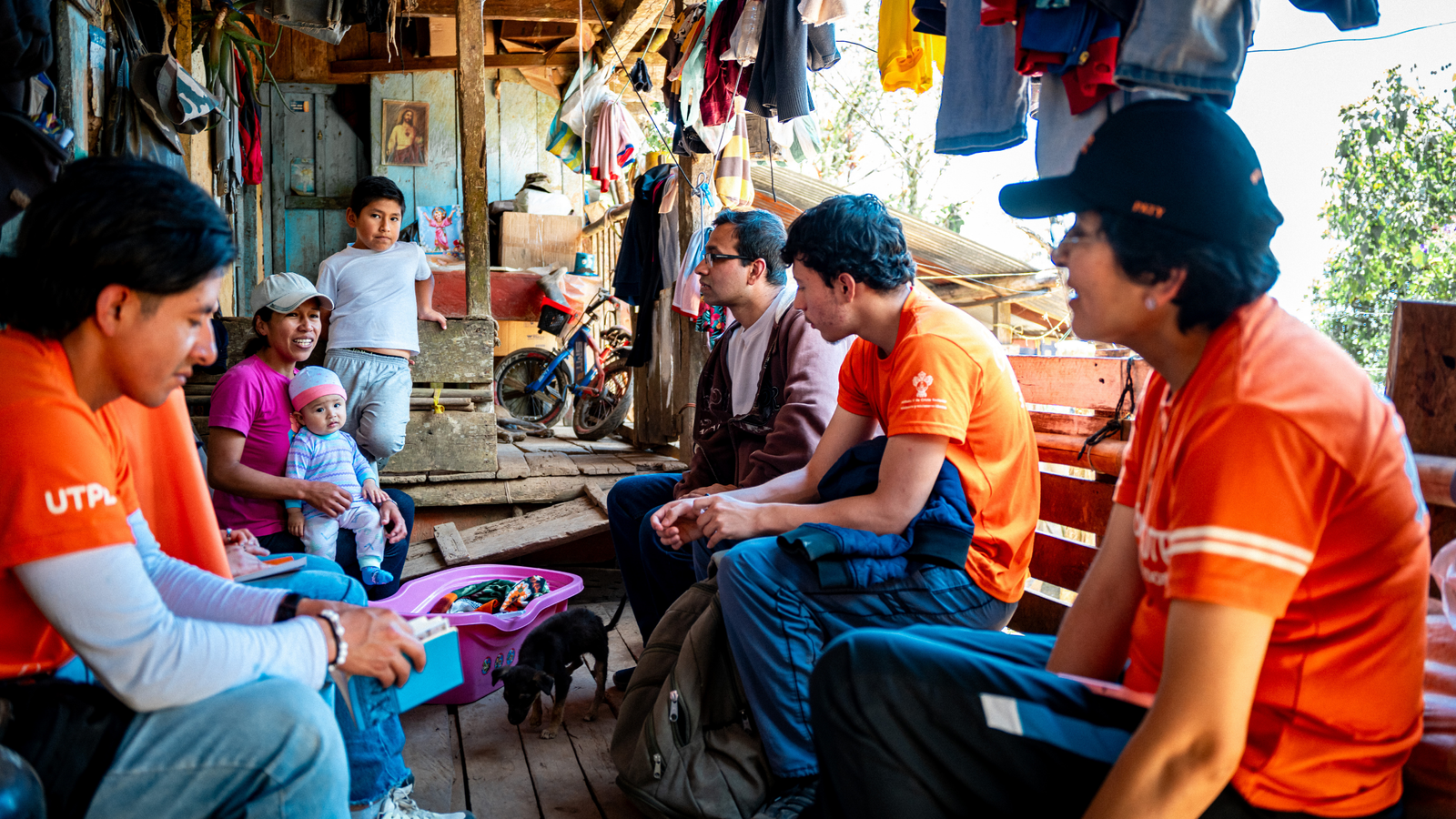 The origins
The mission has its roots in 2004, when a group of Idente missionaries from Spain, Brazil, Peru, and Colombia, together with university students, returned from Chile after taking part in Misión País. From that experience a question emerged: “What can we do here, for our people?” This marked the beginning of a process.
They realised that their action could not be limited to social assistance or to a form of volunteering that sometimes serves only to ease one’s conscience. It had to go further: to bring the Gospel to the most forgotten villages, uniting evangelisation and service.
It was then that, during the first mission in Pangui, in the province of Zamora Chinchipe, a priest who welcomed the young people into his parish spoke words during the homily that left a lasting impression on everyone: “Pangui, your life is mission.” Those words became a source of inspiration and, over the years, were consolidated into the motto that still accompanies this experience today: “Ecuador, your life is mission.”
The origins Wounds that call out
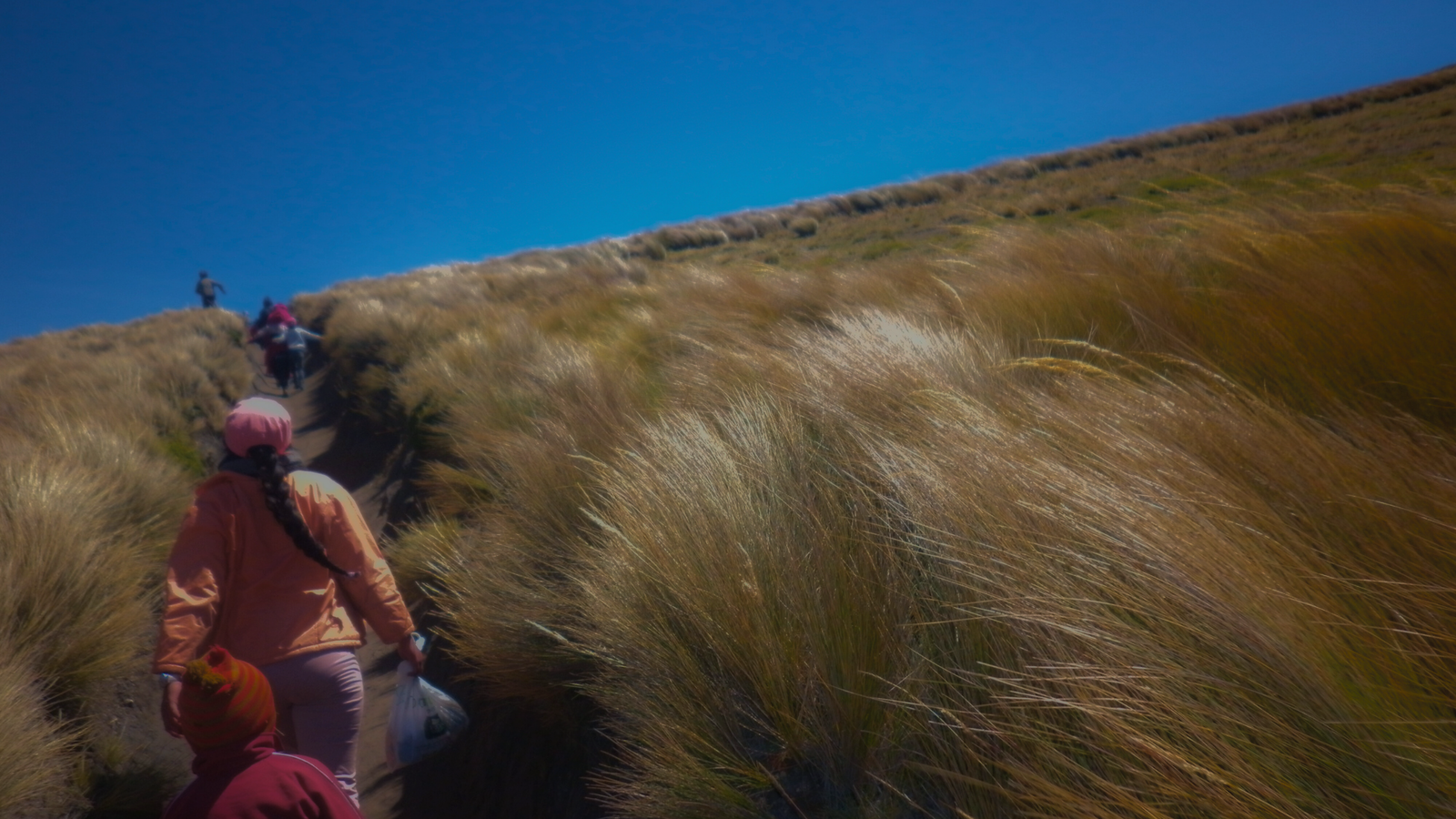
Villages without access to water or healthcare. Territories where only the elderly remain. Families who live from what they cultivate, others marked by violence. From these places set out the Idente missionaries of Loja, Santo Domingo, and Ibarra. Not to fill every gap—an impossible task—but simply to be there: to listen, to accompany, to share.
They came to understand that urgency does not lie in providing immediate solutions. Change is born of presence.
 Why young people
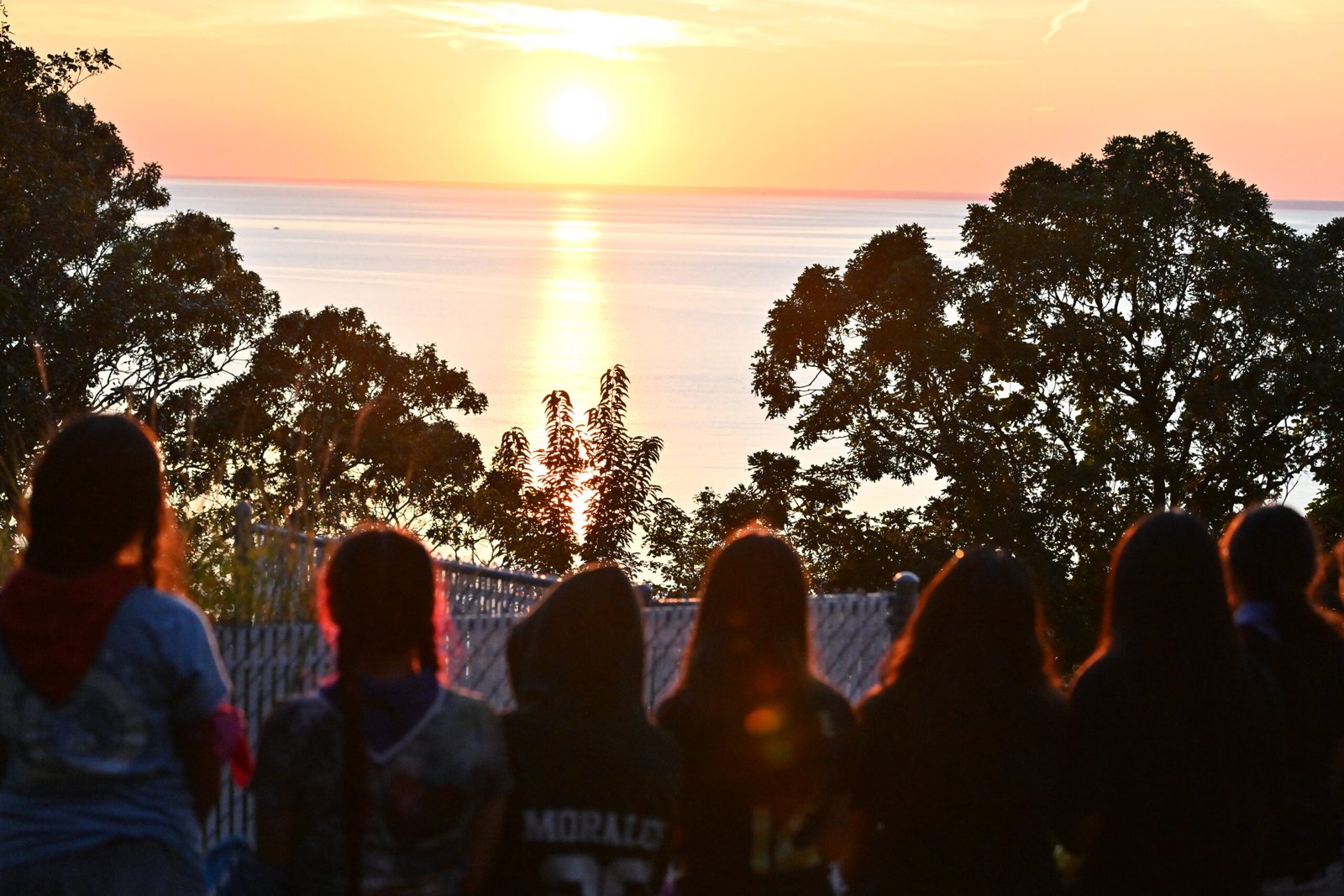
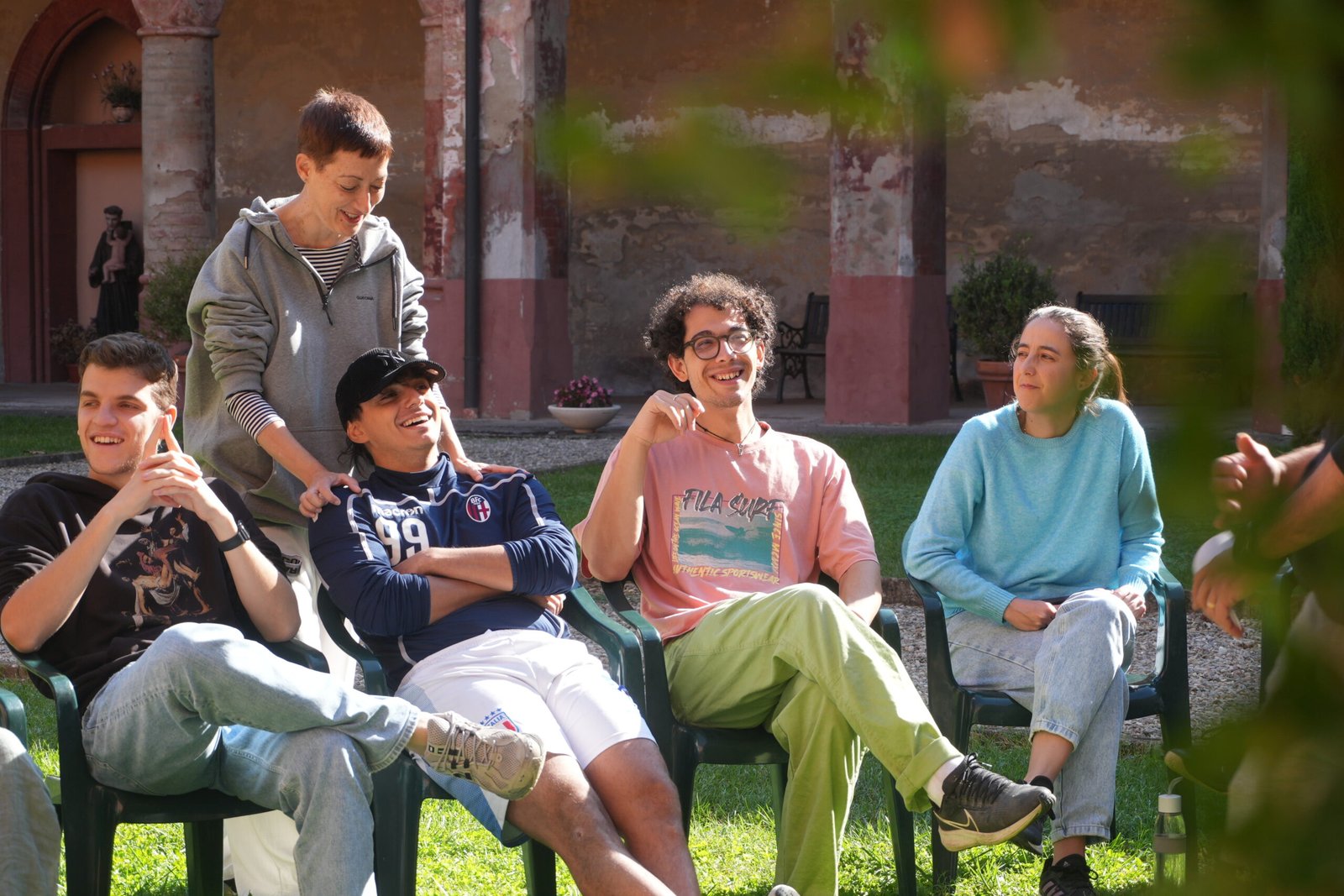
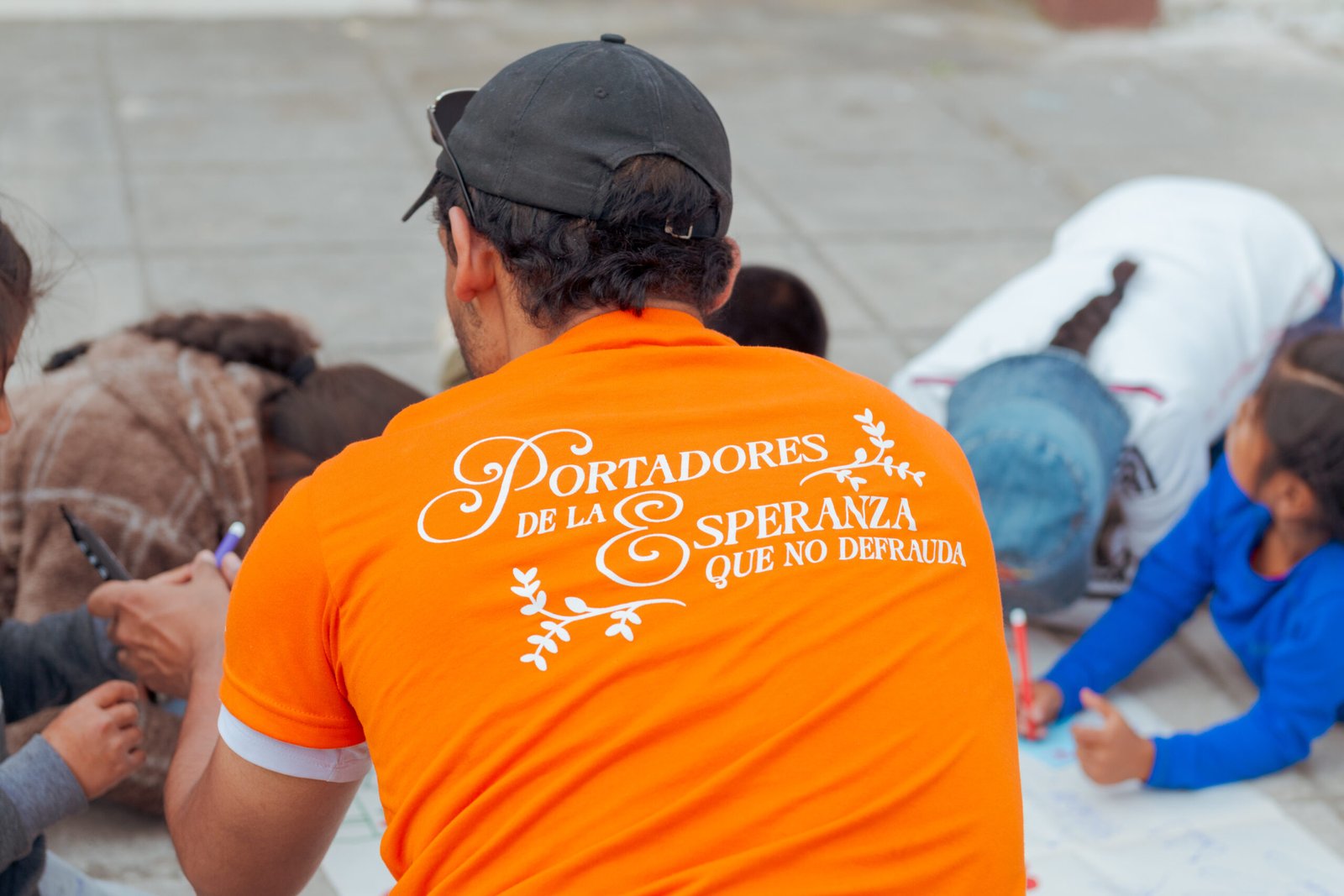
Involving university students is not a secondary detail, but the heart of the mission, explains Luis Mario. Students are not called to “do volunteer work,” but to commit themselves fully: to encounter existential peripheries, place their skills at the service of others, and share the daily life of the families who welcome them.
Year after year, hundreds of young people choose to leave classrooms and comforts behind, discovering that the university itself can become a place of proclamation and mission. And the experience does not end upon returning home. Many continue in other forms of service, remain connected to the families they visited, seek spiritual accompaniment, or translate what they have lived into research projects or initiatives of social innovation. Some even recognise their own vocation. “I owe my calling to the Idente Mission in Ecuador,” confides today a priest from Quito. And a contemplative nun writes to give thanks: it was there that she recognised her vocation.
Communities that evangelise the young
Mission is not a one-way path. Young people arrive in order to help, yet they are the ones who receive. Communities, with their straightforward faith, teach that it is possible to live with little without losing joy. It is a shock that leaves a deep mark: those who come from urban and secure environments encounter poverty and, at the same time, a joy that converts.
 A spirit of family and ecclesial signs
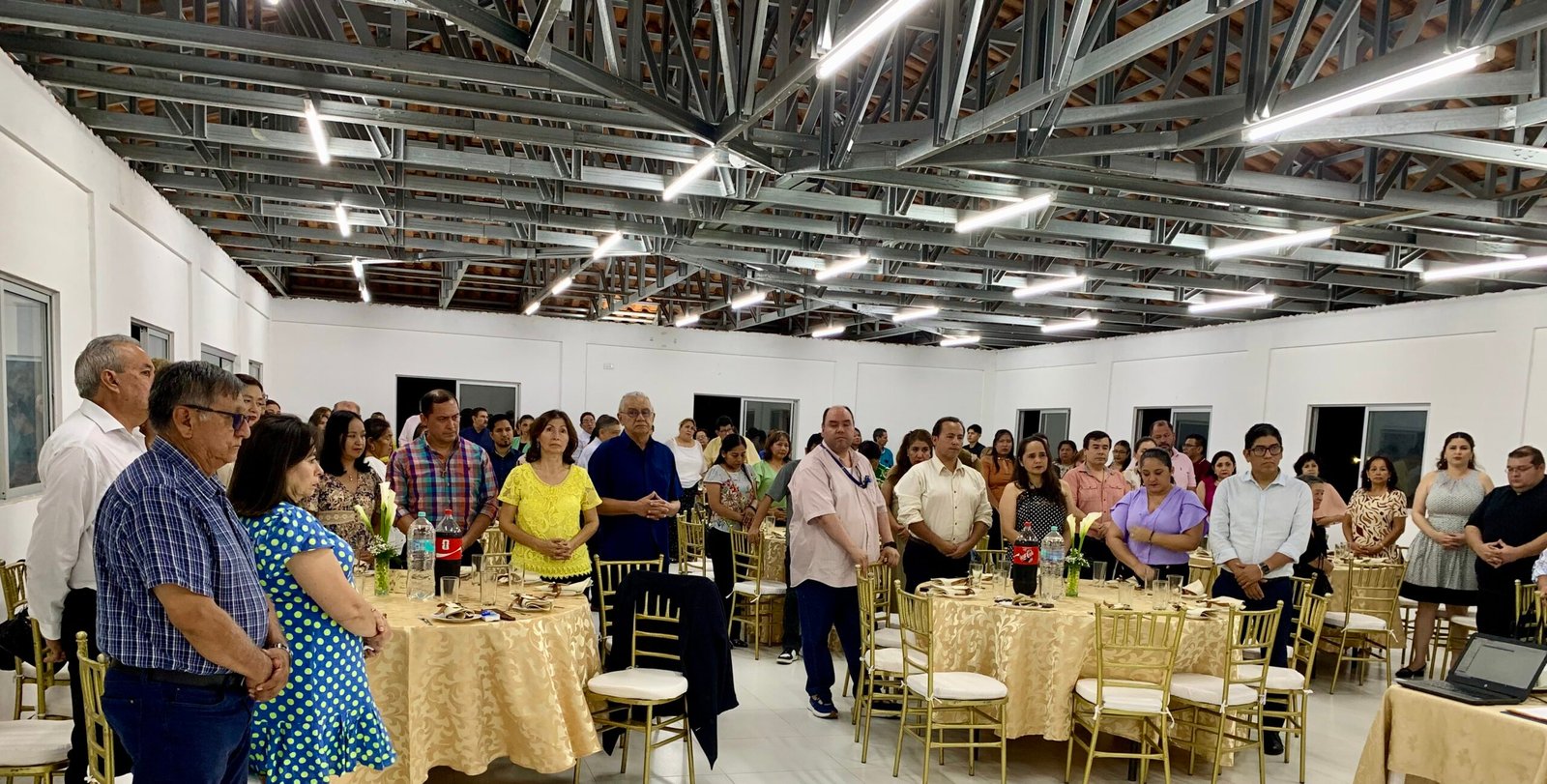
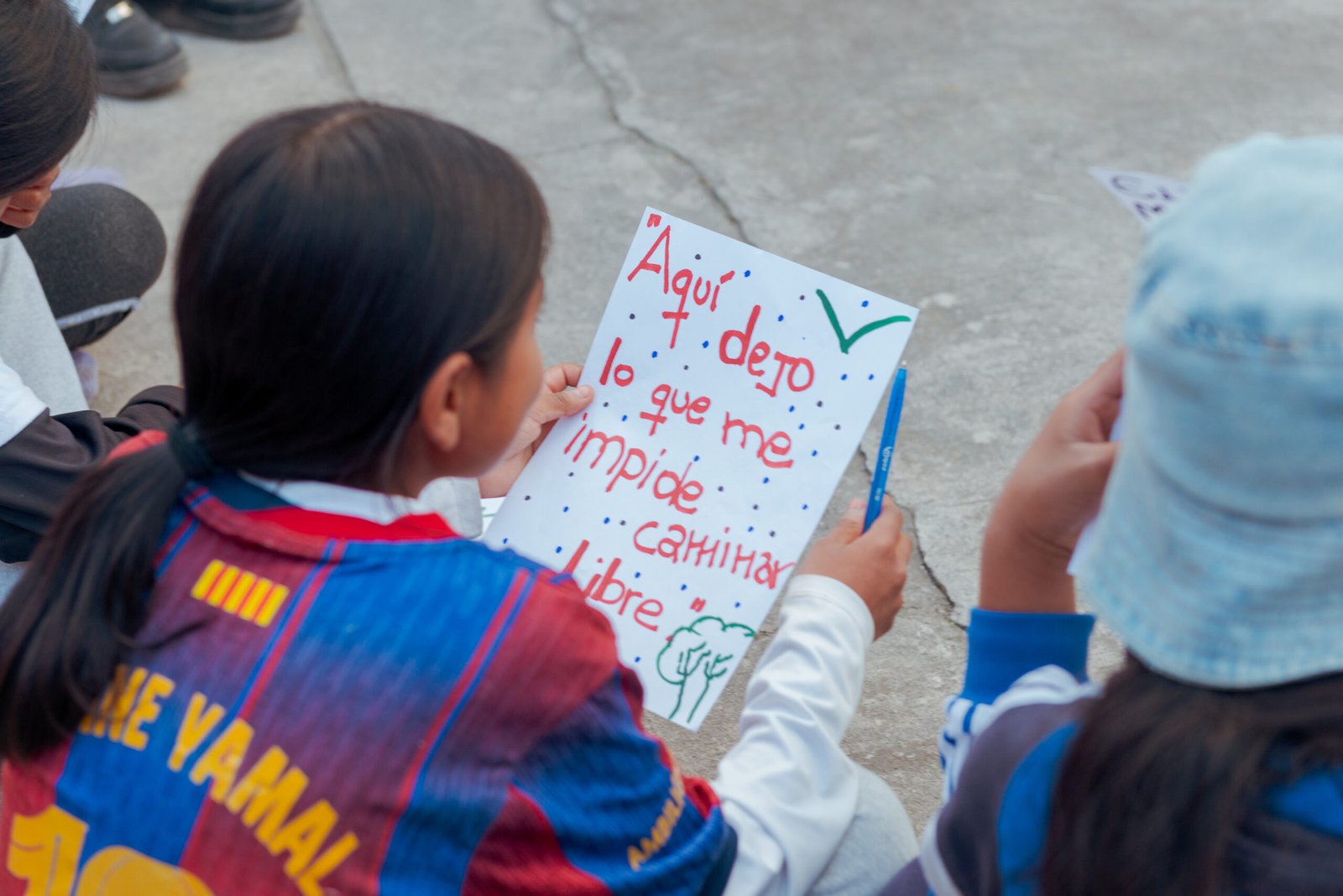
The secret of the mission does not lie in programmes, but in the atmosphere that is created. The spirit of family—nurtured through shared prayer, common meals, and the simple hospitality of families—becomes the condition that makes everything else possible. “If community life is good, everything moves forward,” repeats Ruth from Ibarra. Mission is not a project to be carried out, but an experience to be lived as a community.
Over twenty-one years, the Idente Mission in Ecuador has involved more than 4,300 students, reached nearly 500 communities, and accompanied around 30,000 families. Material conditions do not change overnight. “We cannot say that everything is resolved, not even with medical outreach days,” acknowledge missionaries Mónica and Ruth. Yet from this experience have emerged lasting bonds with visited communities, vocations to consecrated and priestly life, as well as research projects, social innovation initiatives, and forms of volunteer service that continue long after the days of mission have ended.
In every community, the mission is integrated into parish pastoral plans, working alongside parish priests and forming local leaders who then accompany the Church’s activities. It is within this network that the mission finds meaning and continuity: the trust of the dioceses, which each year welcome students and missionaries, has made this project an integral part of the ecclesial life of Ecuador.
Roots and future
Today the mission bears the face of consecrated men and women from across Ecuador: from Loja and Zamora Chinchipe to Imbabura and Quito; from the Coast to the Sierra, reaching as far as the Amazonian East. It is a community of brothers and sisters in Christ that bears witness to how a seed planted more than twenty years ago has grown, weaving together stories and territories. It is no longer the mission of a few. It is a mission that belongs to an entire country.